
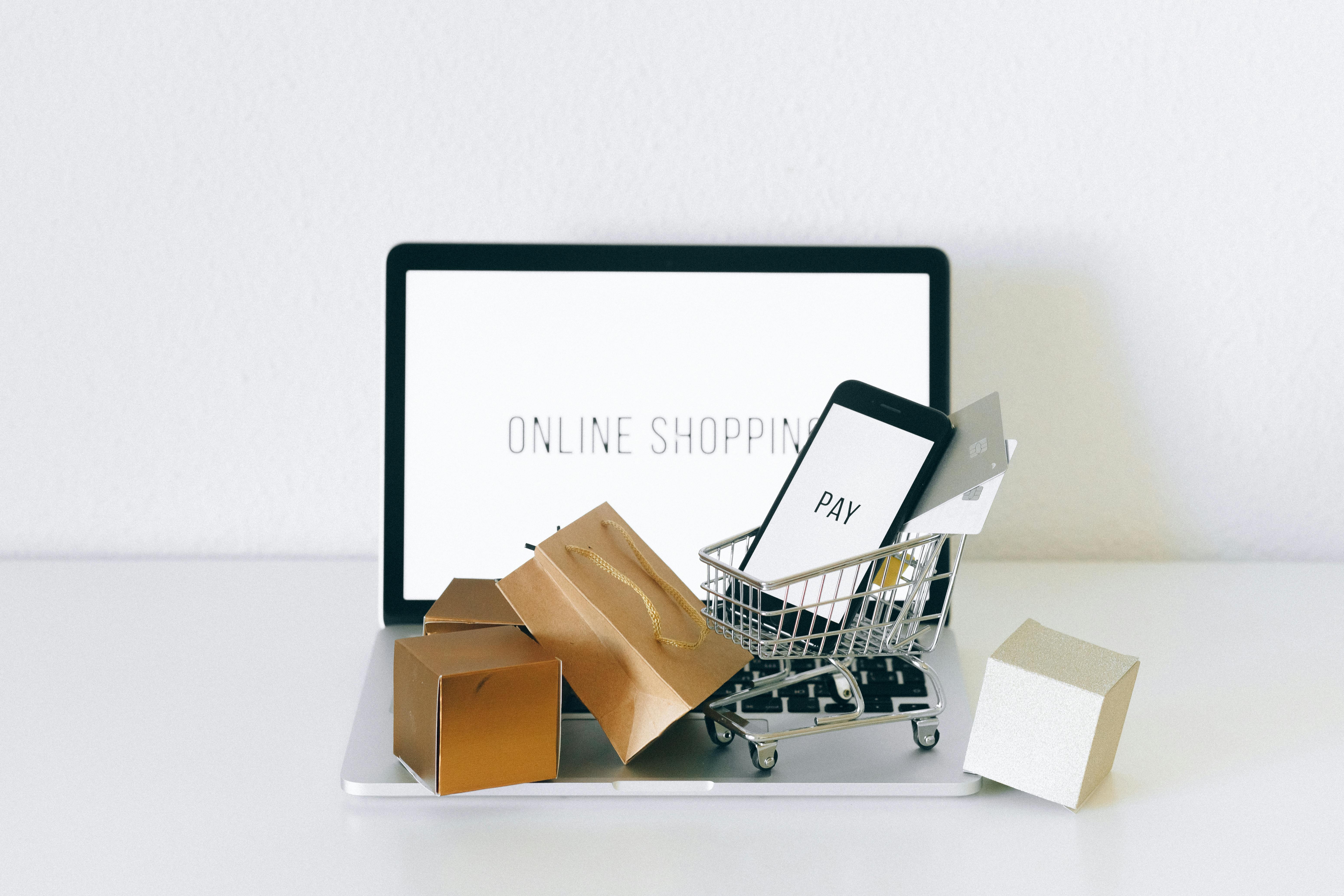
The Future Is E-Commerce
Often when it comes to the question of e-commerce, we find ourselves talking to people that have no fully grasped the concept of the world changing, perhaps we can daresay, another industrial revolution. Huge change can disrupt, but then what is it exactly that’s changing?
E-commerce is one of the most convenient things that have been introduced to society, making the culture of instant gratification even more prominent, but also making a myriad of things easier for the population that do not have the luxury to shop on two feet.
It comes to show that since things are easy, things are taken for granted. There’s a plethora of things we can do that other people cannot, a range we can reach that others do not have the luxury of reaching. People often have different circumstances: they may live far away from the rest of civilization or they may not be able to integrate with civilization itself. It is in these cases where digitization cannot be frowned upon any longer.
There’s always a person who has plenty of work to do, and someone who’s day is dedicated to many things. The accessibility of online shopping and the convenience of e-commerce cannot be avoided in these cases, because they have transformed the way we approach daily tasks. For those with physical limitations, e-commerce offers a lifeline, allowing them to procure essential goods without the barriers of traditional shopping environments.
It has also made it possible for individuals with varying abilities to explore a vast array of products and services from the comfort of their homes. Whether it’s ordering groceries, clothing, or specialized medical supplies, the options available online can often exceed what’s found in local stores. The rise of e-commerce has encouraged businesses to adopt inclusive practices. Many retailers are now prioritizing accessibility in their websites and customer service, ensuring that people with disabilities can navigate online shopping just as easily as anyone else. This shift not only opens up new markets but also promotes a culture of inclusivity and awareness.
It comes to show that the evolution of e-commerce signals a wider societal shift towards inclusivity and accessibility. As we embrace these digital advancements, it is essential to recognize the diverse needs of all consumers. The ongoing development of e-commerce will continue to bridge gaps, making the world more accessible for everyone, regardless of their circumstances. In this way, M Kasselman is directly involved, for we are not just witnessing a technological change but a fundamental transformation in how society views and accommodates its members.