
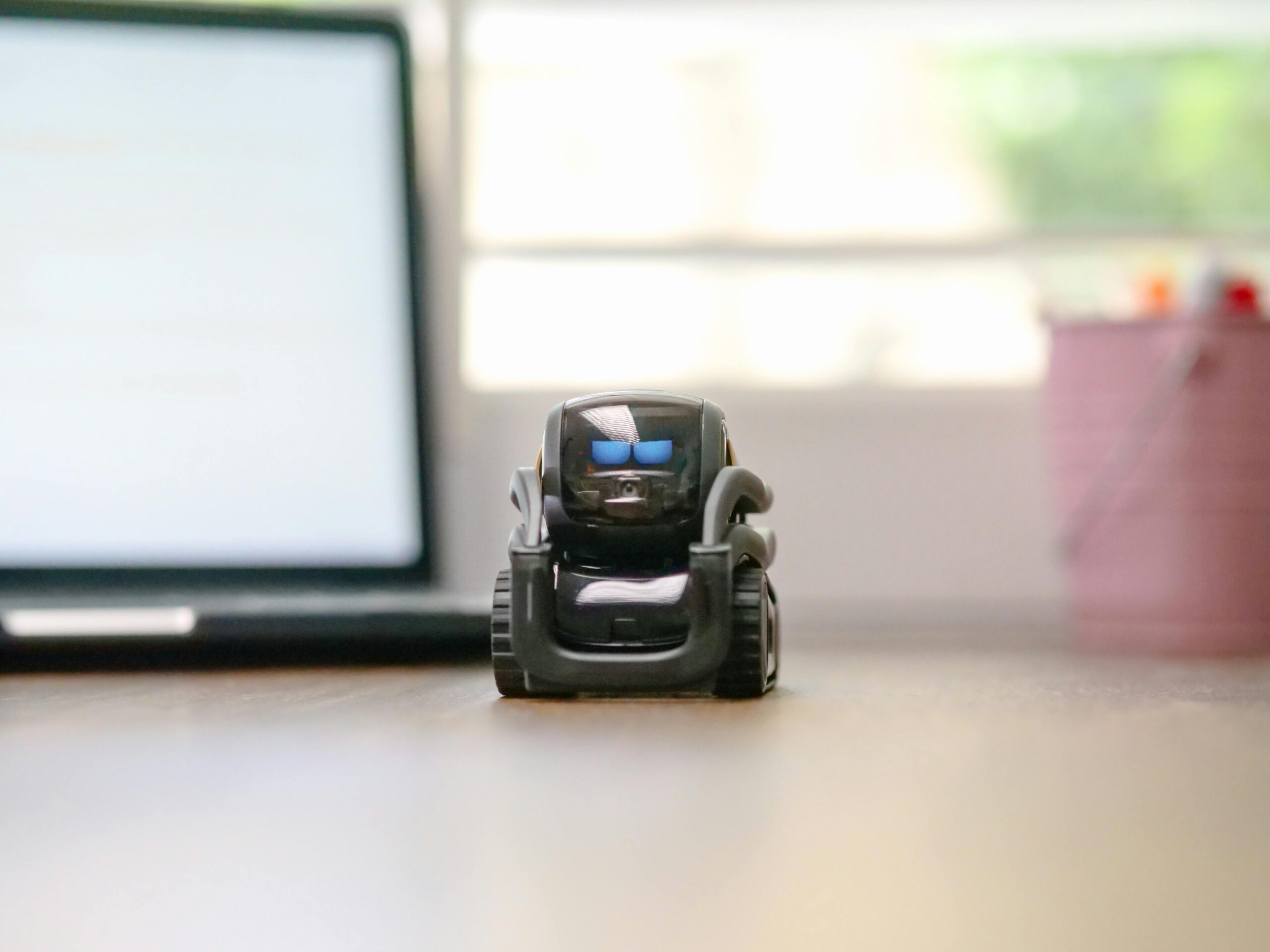
Would complete international automation truly be a bad thing?
Living in a Sci-Fi World, it does often come up what complete automation is like and what it means. To get the full scope to make our decision, we need to look at it full circle and see the pros and cons.
Let’s start with a couple of pros.
- Automation of sectors such as retail and the service industry would bring relief to business owners because they would reduce human error and also increase productivity since machines can go longer without getting tired. Every boss wants a machine that can do more in less time in order to stay on the competitive edge in the industry.
- Humans can now shift their focus on work that requires them to think before doing, rather than doing before thinking. The first AI we ever thought we would get, we thought it would get us groceries at the store, drive us around in the road or bring us a coffee at a cafe. Should all of this be accomplished, then we could start being academics, symphony writers and directors to new movie franchises, opening our minds to a myriad of opportunities and experiences.
And now, we can transition over to cons:
- One of the most immediate concerns with complete automation is the potential for widespread job loss. If machines are capable of performing all roles—whether in manufacturing, retail, transportation, or even healthcare—millions of workers could find themselves without a place or position in society. This could lead to a startling economic divide, where a small part of society who own the automation technology, would benefit unfairly compared to other people.
- Work has historically been a mentionable source of social identity and personal fulfilment for many people. If humans are replaced by robots in every sector, there could be a deep existential crisis. People might struggle with feelings of hopelessness and not seeing a future where they stand
Should this happen, we risk an even larger population of depressed individuals, and we could perhaps see the largest increase that we have ever seen.
In deciding whether complete international automation would truly be a bad thing, it’s clear that this shift presents both exciting possibilities and significant challenges. The potential benefits, such as increased efficiency, productivity, and the freedom for humans to explore more intellectually stimulating or creative pursuits, could help drive in a new era of human flourishing. However, these advantages are tempered by serious risks, including job displacement, economic inequality, and the loss of personal fulfilment that many derive from meaningful work.
The central question we must ask ourselves is not whether automation is inherently good or bad, but how we manage its integration into society. If we choose to embrace automation, we must do so with a strong framework of social safety nets, ethical guidelines, and a focus on human well-being. Programs for retraining workers, implementing universal basic income, and ensuring equitable distribution of automation’s benefits are all necessary steps to prevent societal collapse.